
Okay, so check this out—I’ve been carrying a tiny NFC card in my wallet for a year now.
Whoa!
At first it felt a little gimmicky, but my gut told me to give it a real shot.
My instinct said the simplicity was promising, though I was skeptical about security.
Initially I thought hardware wallets meant fiddly cables and awkward dongles.
Actually, wait—let me rephrase that: I assumed they all required a separate device and a lot of setup, which isn’t great if you’re the kind of person who wants somethin’ that just works.
Then I tried the Tangem card at a local meetup.
Really?
The demo was quick, but the NFC tap and the card’s stiffness felt oddly reassuring.
What surprised me was how little I had to babysit it.
On one hand it’s just a passive chip in a card; on the other hand it’s a full hardware wallet with secure elements inside—on the surface that sounds paradoxical.
Hmm…
My first impressions were biased by shiny gadget syndrome, but then I dug into the mechanics.
Initially I thought private keys had to be visible to some app, but then I realized the card stores them fully offline and signs transactions without ever exposing key material.
Here’s the thing.
From a user perspective the workflow is simple: tap the card, confirm on your phone, and the signature happens.
You don’t carry seed phrases on paper or keep a USB stick hidden in a drawer.
That part is freeing, especially for people who hate complex backups.
But don’t mistake simplicity for weak security; the Tangem architecture uses secure elements designed to resist tampering and side-channel attacks.
Wow!
I like the card form factor because it fits a wallet and doesn’t scream ‘crypto’ at the checkout line.
Check this out—when I used it at a café I felt less conspicuous than when pulling out a big hardware dongle.
Something felt off about oversized devices in public, and this just solved that minor psychological friction.
On the technical side the card is a secure element that manages keys internally and only returns signatures; the company also publishes documentation about their design choices.
If you’re curious the tangem wallet I used links seamlessly with mobile apps and supports common coins and tokens.
Wow!
I kept testing different flows, moving funds, and interacting with DEX interfaces, and the experience was consistent across sessions.
On one hand I love that level of UX polish; on the other hand I wanted to stress-test recovery methods and multi-card setups.
I tried pairing two cards to simulate a family backup, and it mostly worked but required careful attention to order and device compatibility.
Real-world setup and recommendation
For a firsthand look, try the tangem wallet—it’s straightforward to set up and the docs helped fill in the nitty-gritty.
Seriously?
I’m not 100% sure it’s the right fit for everyone because it trades off some advanced functions for simplicity, and corporate or institutional users may prefer multi-sig HSMs.
On a personal level, though, I appreciated the clear threat model: physical possession plus a PIN equals control, and losing a card is mitigated by recovery plans, though those plans need to be practiced.
This part bugs me a little: recovery often relies on backup cards or securely stored seeds, which reintroduces some of the baggage you tried to avoid.
Yet the team has explored options like multi-card recovery and custodial-on-ramp services to help non-technical users.
My working through contradictions led me to accept that there’s no perfect solution; it’s trade-offs all the way down.
On one hand you get convenience and stealth; though actually, on the other hand you might accept slightly less flexibility.
Check this out—
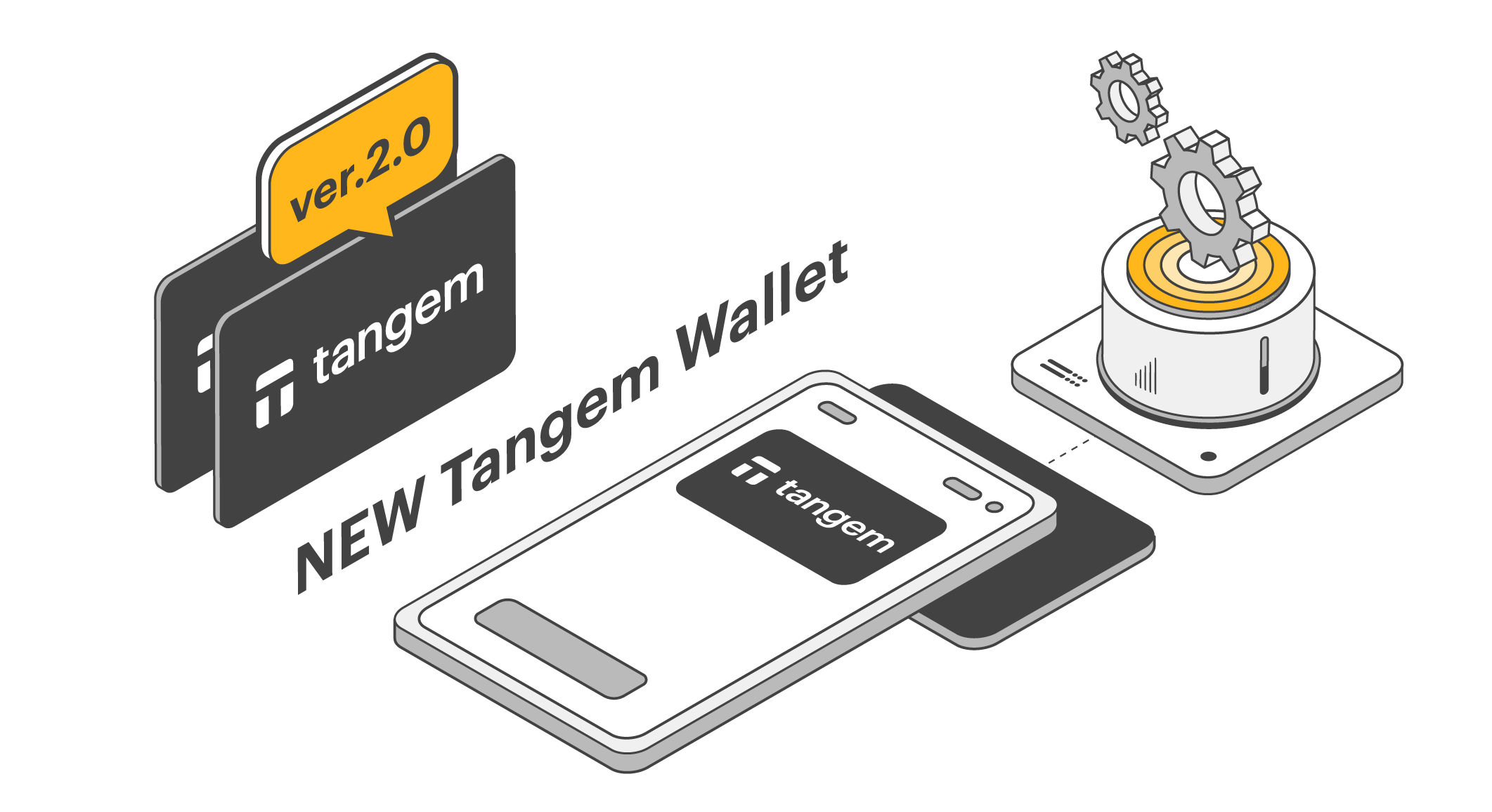
Practical Notes and Real-World Use
If you’re thinking of getting one, here’s some pragmatic advice.
Keep one card offline for cold storage; keep another active for day-to-day moves.
Also, write down recovery steps and test them before you need them.
My instinct said to practice the whole recovery sequence with small amounts so you don’t learn it during a crisis.
Initially I thought a single backup was enough, but after a false alarm I added a geographically separated backup and that gave me real peace of mind.
I’ll be honest: tangem cards won’t replace every workflow, and they won’t satisfy some power users who need scriptable signers or enterprise-grade multisig.
Still, for everyday users who want something secure, simple, and physically discrete, they hit a sweet spot.
I’m not 100% sure about long term firmware update policies or supply chain guarantees, and that’s a real consideration for anyone holding significant value.
But the experience taught me to value ergonomics as part of security, because if a safe option is unbearable, people won’t use it.
So if you want a neat, wallet-sized hardware solution that behaves like a card you already carry, give the tangem wallet a look.
Wow, that was longer than I planned.
I’m curious what others think—will card-form factors dominate micro-wallets, or will phones and multisig systems keep pulling ahead?
I’d love to hear your stories, tips, and the ways you practice recovery; I’m biased, but community feedback shaped my setup.
FAQ
What happens if I lose my Tangem card?
You can recover funds using backup cards or seed backups depending on the setup you chose, but you should test recovery in a controlled way and keep at least one geographically separated backup.
Is it safe to use in everyday places like cafés?
Yes—because the private key never leaves the secure element, tap-to-sign operations reduce exposure, though always guard your PIN and beware of shoulder surfing.
Can I use it with multiple devices?
Typically yes; the card pairs with mobile wallets via NFC, but keep in mind compatibility nuances between app versions and device OS—so test before relying on it for big transfers.
